


In today’s fast-paced world, many patients feel like just another number in a long line of appointments. Big hospitals and large healthcare systems play an essential role, but more people are starting to look for care that feels personal, accessible, and truly centered around them.
That’s where small healthcare clinics come in. These community-based practices are proving to be the future of personalized care, offering patients not just treatment, but connection, trust, and attention to their unique needs.
What Makes Small Clinics Different?
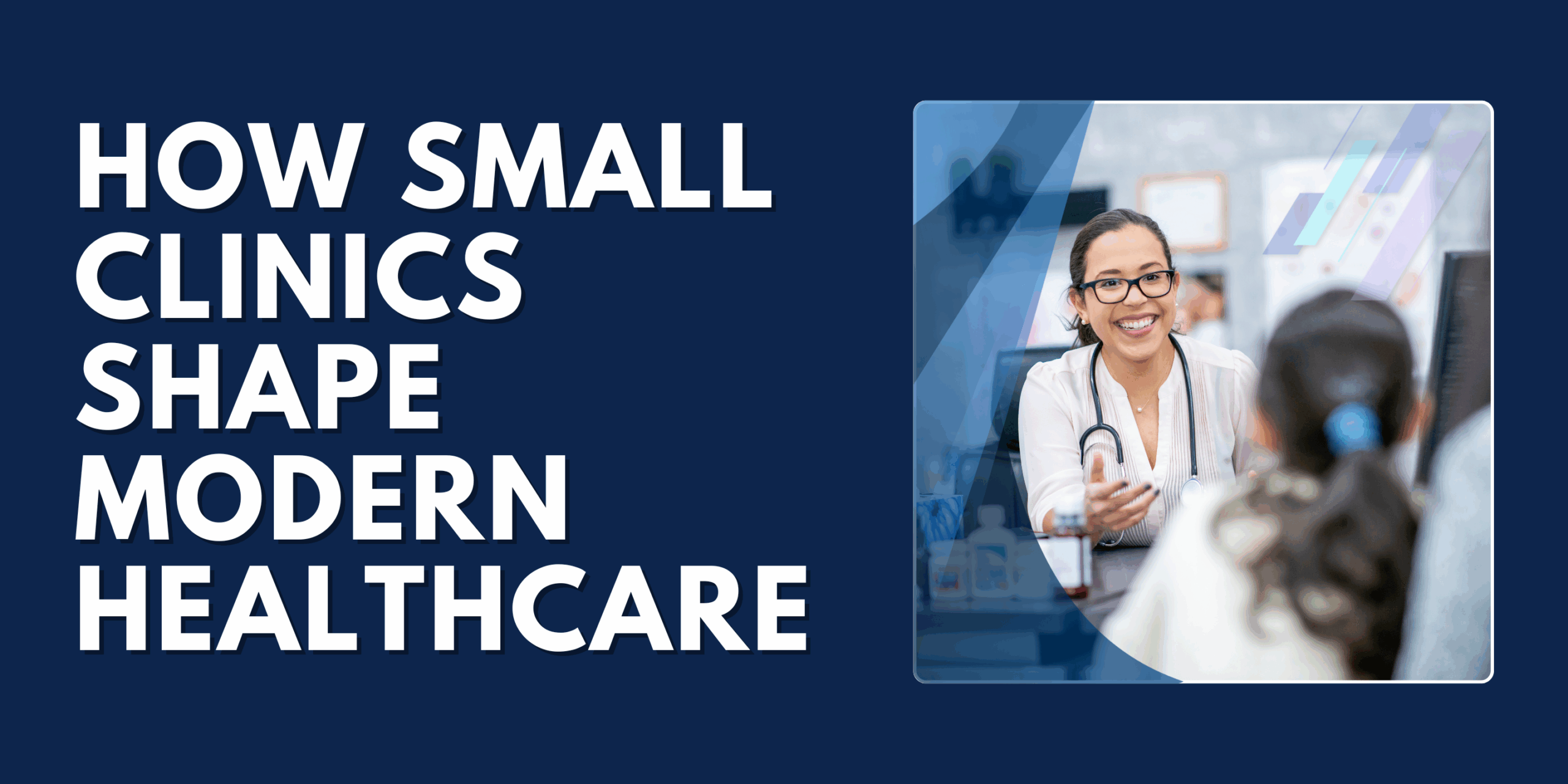
Unlike larger healthcare institutions, small clinics usually serve smaller patient populations. This allows providers to spend more time with each person, listen to their concerns, and build stronger relationships. Patients often feel less rushed and more comfortable sharing important details about their health.
Some key differences include:
- Stronger provider-patient relationships → Consistency in care builds trust.
- Flexibility → Small clinics often adapt faster to patient feedback.
- Accessibility → Many small clinics are located in neighborhoods, reducing travel time.
- Community connection → Providers are often part of the same community they serve.
The Rise of Personalized Care
Healthcare is no longer just about diagnosing and prescribing—it’s about treating the whole person. Personalized care focuses on:
- Considering lifestyle, family history, and environment
- Providing tailored treatment plans
- Offering preventative guidance instead of only reacting to illness
Small clinics are uniquely positioned to deliver this type of care because they see patients as individuals, not just charts or numbers.
Why Patients Are Choosing Small Clinics
Patients are increasingly drawn to smaller practices because of benefits like:
- Shorter wait times → Less time in crowded waiting rooms, more time with your provider.
- Continuity of care → Often you’ll see the same doctor or nurse each visit, which helps create a more consistent healthcare journey.
- Holistic approach → Providers have the time to consider both physical and mental health needs.
- Comfortable environment → Smaller clinics often feel more welcoming and less intimidating than large hospitals.
A Growing Trend in Healthcare
According to healthcare industry reports, patients are showing increased preference for clinics that emphasize accessibility and personal connection. Telehealth and digital records also make it easier for small practices to offer services once limited to big systems, such as virtual consultations and streamlined scheduling.
This trend signals a shift: healthcare is moving toward patient-first models, where convenience, empathy, and trust are prioritized.
Small Clinics + Technology = The Future
Technology is helping small clinics stay competitive while keeping their personal touch. Many are adopting:
- Telemedicine → Virtual visits for busy patients or those in rural areas
- Digital patient portals → Easy access to test results and health records
- AI-driven tools → Smarter scheduling, billing, and patient reminders
By blending technology with compassion, small clinics are redefining what modern healthcare looks like.
Caring Beyond the Appointment
One of the strongest advantages small clinics have is the ability to support patients beyond the exam room. Whether it’s a follow-up call, checking on medication adherence, or recommending local wellness programs, these extra steps can make patients feel truly cared for.
This kind of connection builds loyalty and helps patients feel empowered in their own health journey.
The Future Is Personal
Healthcare is evolving, and patients are no longer satisfied with being rushed through brief appointments. Small healthcare clinics provide a model where care feels human, tailored, and accessible.
As more patients seek quality over quantity, small clinics are paving the way for a healthcare system that values connection as much as treatment.
Caring for the Whole You
The future of healthcare isn’t about bigger buildings or longer waitlists—it’s about personalized attention, trust, and compassion. Small healthcare clinics represent a shift back to what medicine has always been about: caring for people as individuals.
If you’re looking for healthcare that truly listens, supports, and adapts to your needs, a small clinic might just be the future of care you’ve been searching for.