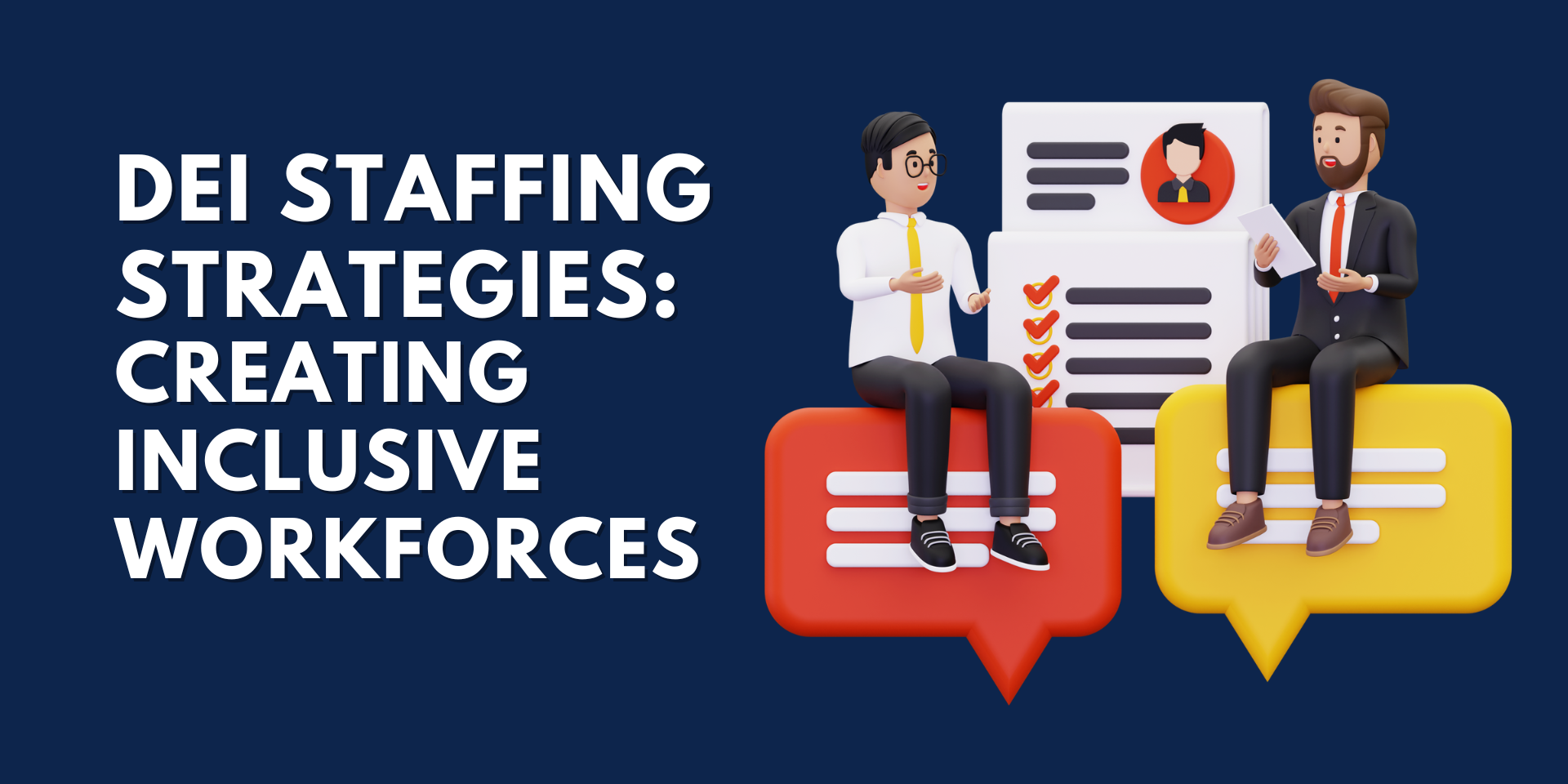
In today’s digital economy, remote teams are no longer optional — they’re the new standard. But building a remote workforce isn’t just about filling roles. It’s about creating teams that reflect diverse perspectives, foster belonging, and support equity for all employees.
Diversity, Equity, and Inclusion (DEI) staffing strategies are essential for modern remote organizations. When done right, these strategies help you attract top talent, increase employee engagement, and build stronger, more resilient teams.
This guide breaks down what DEI means for remote staffing and how businesses can implement effective DEI practices that support long‑term success.
What Is DEI and Why Does It Matter in Remote Hiring?
Diversity means representing people from a wide range of backgrounds, identities, and experiences.
Equity means everyone has fair access to opportunities and resources.
Inclusion means creating a work environment where people feel valued, respected, and supported.
When remote teams embrace DEI, they benefit in multiple ways:
- Broader talent pools
- Higher innovation and productivity
- Reduced turnover and stronger retention
- More inclusive customer perspectives
According to research by McKinsey, diverse organizations are more likely to outperform their peers financially and make better decisions.¹
In a remote setting, DEI is both an opportunity and a responsibility: your hiring practices can extend beyond geographical, cultural, and socioeconomic boundaries — but they must be intentionally inclusive to do so.
How DEI Staffing Strategies Support Remote Teams
Remote staffing already eliminates geographical hiring limits. DEI staffing strategies take this a step further by helping organizations intentionally design equitable hiring processes that remove barriers and reduce bias.
These strategies help:
- Attract a wider range of candidates
- Improve hiring fairness and transparency
- Support employee wellbeing across cultures
- Foster safe and respectful remote work environments
DEI isn’t just nice to have — it’s a competitive differentiator. Companies with strong DEI practices have better talent attraction, employee experience scores, and long‑term retention.
DEI Recruitment Best Practices for Remote Teams
Here’s a breakdown of DEI strategies you can integrate directly into your hiring process.
1. Expand Job Posting Accessibility
Make sure job postings are:
- written in clear, inclusive language
- posted on diverse job boards (not just the big ones)
- accessible to candidates with disabilities
Use tools that help remove gendered or exclusionary language.
Pro tip: State your DEI commitment at the top of the job description — this signals intention and attracts more applicants.
2. Standardize Qualification Criteria
Bias often shows up when hiring managers rely on subjective judgments. Create clear, consistent qualification criteria for remote roles.
Ask:
- What skills are required vs. nice to have?
- Are experience levels accurately aligned with responsibilities?
- Does your screening process value diverse types of experience?
Standardizing criteria reduces bias and improves fairness.
3. Use Blind Screening Tools
Blind recruitment methods help reduce unconscious bias by removing demographic information like:
- Name
- Gender
- Education institution
- Location
When hiring remotely, blind screening helps you focus on skills and experience rather than surface factors.
4. Train Hiring Managers on Inclusive Hiring
DEI training for hiring managers is critical. Topics should include:
- unconscious bias
- culturally inclusive interviewing
- equitable evaluation practices
A trained hiring team makes more consistent and fair decisions.
How to Support Inclusive Remote Onboarding
Hiring is only the first step. To retain diverse talent, make your onboarding process inclusive:
Provide Clarity and Structure
Create clear documentation on workflows, communication expectations, and performance reviews.
Establish Mentorship and Peer Support
Pair new hires with remote mentors so they have a direct resource for questions and guidance.
Cultivate Psychological Safety
Encourage new employees to ask questions and share perspectives without fear of judgment.
Inclusive onboarding signals to every team member that their voice matters.
Measuring DEI Success in Remote Workforces
Tracking DEI progress makes your efforts more actionable.
Common DEI Metrics include:
- Diversity of applicant pools
- Interview selection rates across groups
- New hire retention metrics
- Employee sentiment and engagement surveys
- Promotion and pay equity data
Regular measurement helps you identify gaps and refine your strategies.
Tools That Support DEI Staffing Efforts
Here are technology tools that can help your DEI remote hiring workflow:
Applicant Tracking & Inclusive Recruiting
- HireVue (for structured interviews)
- Textio (for inclusive language optimization)
- Greenhouse (for equitable pipeline tracking)
- Slack (with accessibility features)
- Zoom with live captioning
- VoiceThread (asynchronous inclusion tools)
Employee Engagement
- Culture Amp
- Lattice
- Officevibe
Pairing the right tools with clear policies improves both hiring fairness and remote team cohesion.
Common Challenges and How to Overcome Them
Challenge: Unconscious Bias
Solution: Structured interviews and blind screening.
Challenge: Cultural Miscommunication
Solution: Cross‑cultural training and documented communication norms.
Challenge: Limited Candidate Diversity
Solution: Expand sourcing into niche communities and partner with diverse job boards.
Final Thoughts
DEI staffing strategies are not a checkbox — they are a long‑term business advantage, especially in a remote work environment.
By integrating inclusive hiring practices, equitable policies, and intentional communication, businesses not only build diverse teams but also empower those teams to thrive.
As remote work becomes the standard across industries, DEI will continue to be a defining factor in strong, resilient organizational culture.

You Might Also Like
 Industry Insights
  Industry Insights
  Industry Insights