

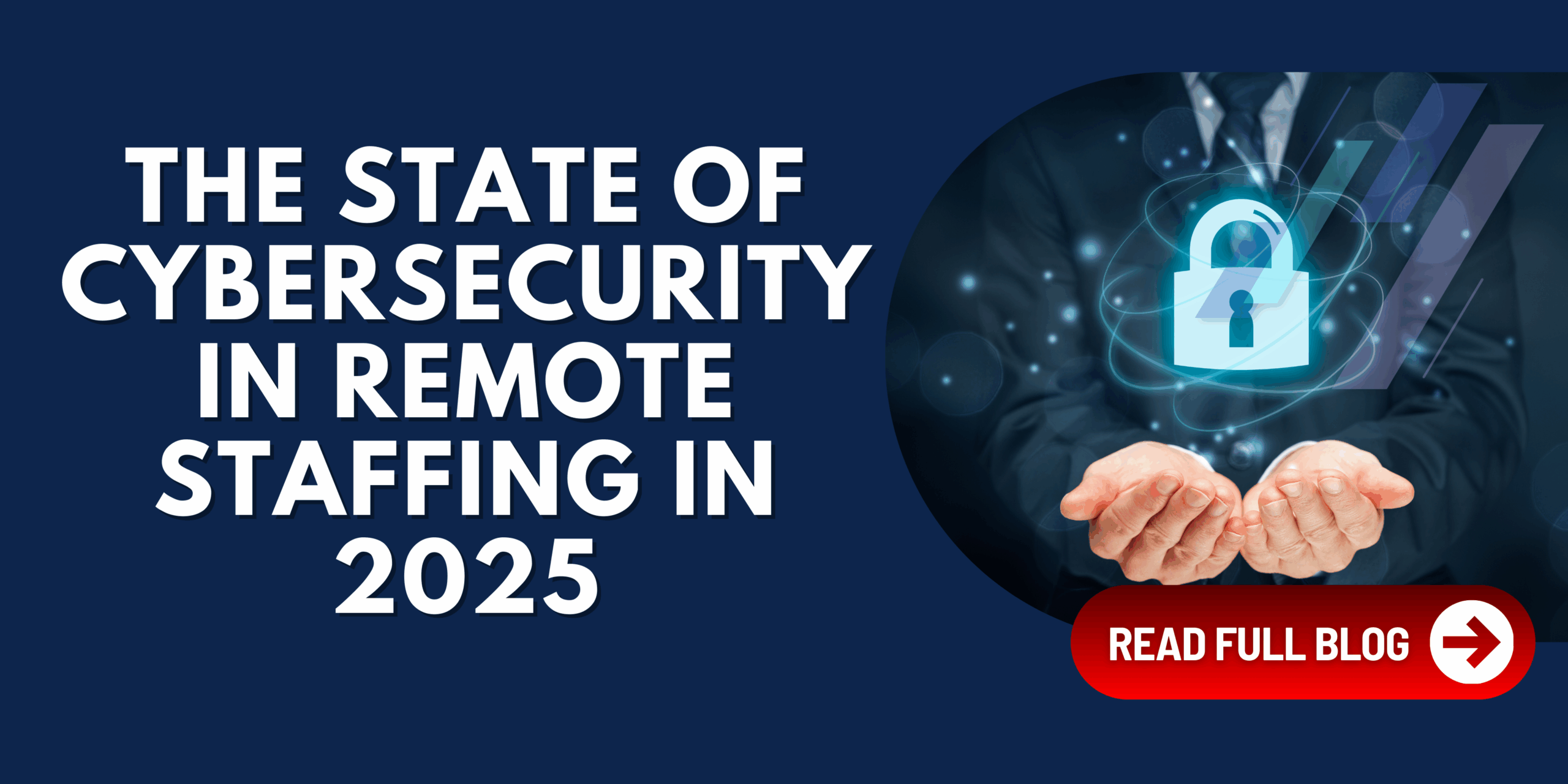
As remote work continues to dominate the global workforce, one challenge remains at the forefront of every business leader’s mind: cybersecurity. In 2025, distributed teams have become the norm, from virtual assistants to remote IT specialists, but so have the cyber risks that come with managing teams across different devices, networks, and locations.
With more companies embracing remote staffing to boost flexibility and cost efficiency, the need for strong cybersecurity measures has never been more critical. Let’s explore the current state of cybersecurity in remote staffing, the most common risks companies face, and how remote IT staffing solutions are helping organizations safeguard their digital ecosystems.
The New Normal: A Distributed Workforce Comes with New Risks
The shift to remote and hybrid work has opened incredible opportunities for global collaboration. However, it has also expanded the attack surface for cybercriminals. According to recent cybersecurity reports, over 60% of data breaches in 2024 involved remote or hybrid employees, with phishing and credential theft leading the list of causes.
When employees work from different networks, especially unsecured home Wi-Fi or public connections, sensitive company data can be exposed. Add in the use of personal devices, cloud-based tools, and global communication platforms, and you get a complex web of potential vulnerabilities.
For businesses that rely heavily on remote staff, such as healthcare organizations, finance firms, and BPO companies, the consequences of a breach can be devastating, from data loss and financial penalties to damaged client trust.
Common Cybersecurity Risks in Remote Staffing
To effectively protect distributed teams, it’s important to understand the key risks companies face today:
- Phishing and Social Engineering Attacks – Remote workers are prime targets for phishing emails and fraudulent messages designed to steal login credentials or deploy malware. These attacks often mimic internal company communications or trusted vendors, making them harder to detect.
- Weak Passwords and Credential Sharing – A single weak password can open the door to an entire network. When employees reuse passwords or share login details across platforms, it creates easy entry points for hackers.
- Unsecured Devices and Networks – Not every employee has enterprise-level security at home. Without VPNs, firewalls, or endpoint protection, personal laptops and Wi-Fi connections become high-risk vectors for cyber threats.
- Data Handling and Compliance Risks – For industries handling sensitive information, such as healthcare (HIPAA), finance, or legal, maintaining compliance while working remotely is challenging. Mishandling or transferring unencrypted data can lead to severe violations and penalties.
- Cloud and Collaboration Tool Vulnerabilities – Cloud platforms like Google Workspace, Microsoft 365, and Slack streamline remote work but also serve as targets for cyberattacks if not properly secured or monitored.
How Remote IT Staffing Helps Strengthen Cybersecurity
This is where remote IT staffing has become an essential component of modern business resilience. Companies are increasingly hiring dedicated remote IT and cybersecurity professionals to ensure their distributed teams stay protected — no matter where they work.
Here’s how remote IT experts fill critical security gaps:
- 24/7 System Monitoring and Threat Detection – Remote IT staff can provide round-the-clock monitoring to detect unusual activity, unauthorized access, or data breaches in real time. With automated alerts and quick response protocols, they help prevent minor issues from escalating into full-blown attacks.
- Implementing Multi-Layered Security Protocols – From firewalls and VPNs to two-factor authentication (2FA), remote IT professionals enforce enterprise-grade security measures that protect both internal systems and cloud-based applications used by remote workers.
- Regular Security Audits and Risk Assessments – Proactive audits ensure that every device, platform, and user access point meets security standards. Remote IT staff can conduct vulnerability scans and implement updates to patch weaknesses before cybercriminals exploit them.
- Employee Cybersecurity Training – Human error remains one of the biggest cybersecurity threats. Remote IT staff can train employees on recognizing phishing attempts, managing passwords securely, and following best practices for handling sensitive data.
- Data Encryption and Compliance Management – For industries that must meet regulatory standards like HIPAA, GDPR, or PCI-DSS, remote IT specialists help set up encryption, secure data transfers, and maintain compliance documentation.
- Incident Response and Recovery Planning – In case of a breach, having remote IT professionals ensures there’s a clear response plan. They handle containment, investigation, and data recovery to minimize downtime and financial loss.
Building a Culture of Cyber Awareness in Remote Teams
Even the best tools and technologies can’t replace human vigilance. A secure remote workforce requires more than technical safeguards, it needs a culture of cybersecurity awareness.
Here’s how organizations can promote this:
- Make cybersecurity part of onboarding – New hires should receive training on company policies, secure login practices, and data protection protocols.
- Encourage transparency – Employees should feel comfortable reporting suspicious emails or activity without fear of punishment.
- Regularly update policies – As threats evolve, so should internal guidelines and access controls.
- Reward compliance and awareness – Recognizing employees who actively follow best practices reinforces good habits across the organization.
Looking Ahead: The Future of Cybersecurity in Remote Staffing
As businesses continue to embrace global remote teams, cybersecurity strategies must evolve to match. Artificial intelligence and automation are expected to play a major role in detecting threats faster, while Zero Trust frameworks, which verify every access request regardless of location, will become standard practice.
Organizations that invest early in secure remote infrastructure and dedicated IT support will not only reduce risks but also build a foundation of trust with clients and employees alike.
Final Thoughts
Remote staffing has transformed how businesses operate, but it’s also reshaped how we must think about security. As 2025 unfolds, the most successful organizations will be those that view cybersecurity not as a one-time investment, but as a continuous commitment to protecting people, data, and trust.
By leveraging skilled remote IT professionals and fostering a culture of cyber awareness, companies can thrive in a connected world, confidently and securely.